5 Core Waterproofing Methods for Outdoor Stage Lights: Eliminate Water Infiltration at the Source
Water infiltration in outdoor waterproof stage lights is a critical issue that can easily lead to equipment malfunctions, shorten the product's service life, and even pose serious safety hazards such as short circuits or electric shocks. To ensure reliable performance in harsh outdoor environments - from concerts and music festivals to outdoor events - multi-dimensional waterproof protection is essential. Below are 5 core waterproofing methods that fundamentally solve water infiltration problems, keeping your outdoor stage lights running safely and efficiently.
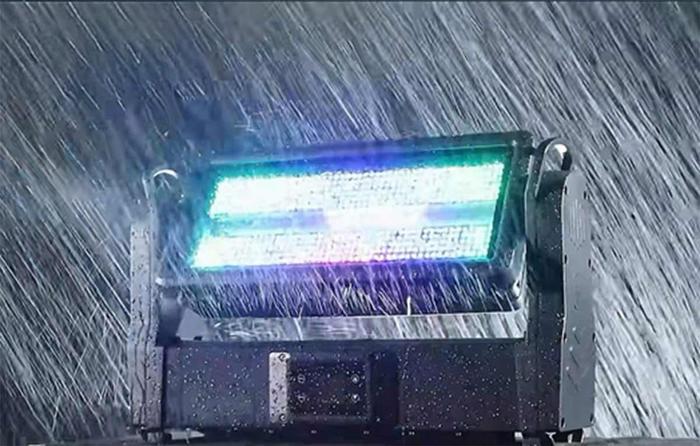
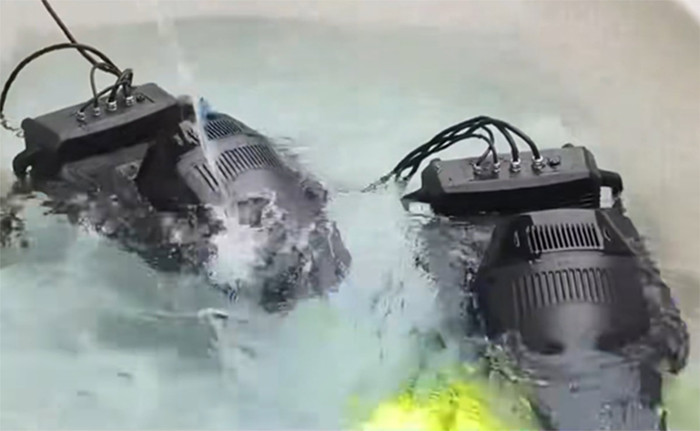
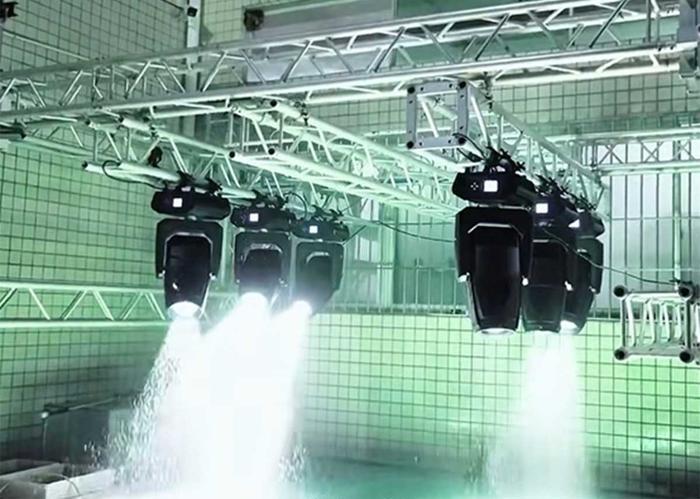
1. Professional Rain Testing: Simulate Real-World Rain Conditions
Rain testing is the first line of defense to verify a stage light's waterproof performance, and it must adhere to international IP (Ingress Protection) standards - such as IP65 (widely used for outdoor stage lights like the Jobet Stormy 8000CC Strobe Wash Light and Super Beam 380 IP Moving Head) or IP66 (e.g., the high-performance Jobet TB-420 Beam IP66 Moving Head). Testing parameters should be tailored to the light's intended application scenario:
Rain Intensity: Use 10-15L/㎡·h for regular rain-prone areas; increase to 20-30L/㎡·h for regions with frequent heavy rain, with each test lasting 2-4 hours to simulate prolonged downpours.
Spray Angle: Conduct 360° all-around spraying, focusing on high-risk areas like power interfaces, DMX signal ports, heat dissipation holes, and housing seams - where water is most likely to seep in.
Post-Test Inspection: After testing, disassemble the light's housing to check for internal dampness or water accumulation. Then power on the light to test key performance metrics, including brightness stability, color temperature accuracy, and control responsiveness.
This method proactively identifies structural flaws and sealing gaps, ensuring the light can withstand real-world rain conditions without failure.
Relevant Products :
2. Vacuum Pressure Testing: Seal Micro-Gaps
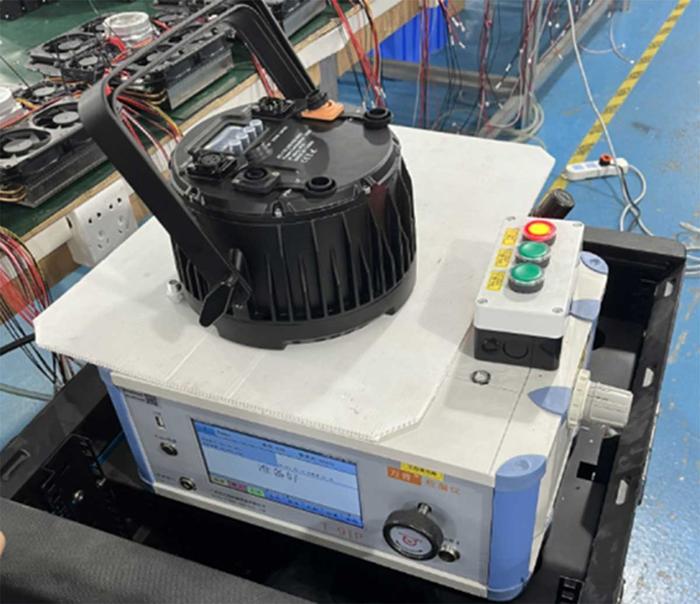
Microscopic gaps (often invisible to the naked eye) in a stage light’s housing or component connections are a major cause of long-term water vapor infiltration. The vacuum pressure test targets these tiny leaks:
1. Inject compressed air (50-100kPa) into the sealed lamp housing.
2. Monitor the internal air pressure for 30-60 minutes:
Stable pressure indicates no significant gaps.
A pressure drop means leaks exist - apply soapy water to suspected areas (e.g., cable entries, lens edges) to locate bubbles (leak points), then optimize the sealing (e.g., replace gaskets, reapply sealant) and retest until pressure remains stable.
By eliminating micro-level gaps, this test ensures long-term waterproof durability - critical for stage lights used in humid or rainy climates.
Relevant Product :
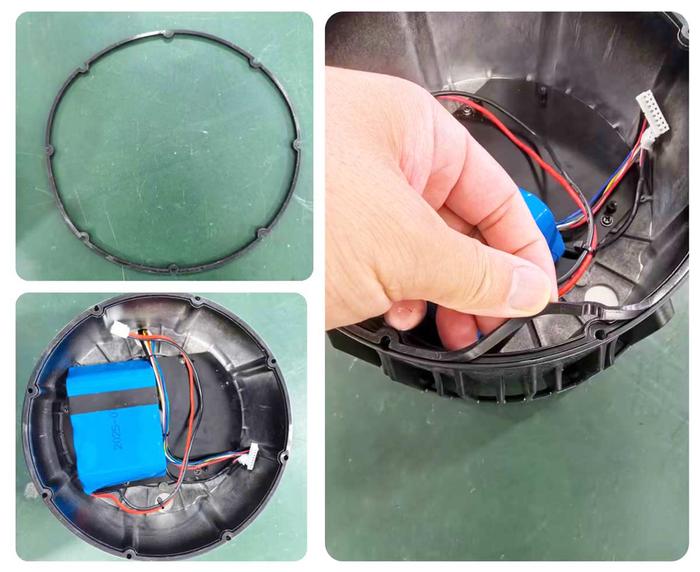
3. High-Quality Waterproof Gaskets: Create a Flexible Sealing Barrier
Waterproof gaskets are the "flexible shield" for stage light housings, blocking rainwater from seeping through joints. Choosing and installing the right gaskets is key:
Material Selection: Prioritize EPDM rubber (weather-resistant, operational from -40℃ to 120℃, ideal for most outdoor environments) or silicone rubber (excellent high-temperature and corrosion resistance, suitable for high-heat stage lights like wash lights or strobes).
Structural Design: Opt for multi-lip gaskets or hollow foam gaskets—their design conforms more tightly to uneven housing surfaces, reducing gaps compared to flat gaskets.
Installation Standards: Clean the gasket and housing joint surfaces to remove dust, oil, or debris; apply a thin layer of butyl rubber sealant for enhanced adhesion; and tighten screws to the manufacturer’s specified torque (over-tightening can damage gaskets, while under-tightening leaves gaps).
This method effectively seals housing seams, a common entry point for rainwater.
Relevant Product:
4. Internal Desiccants: Absorb Residual Moisture
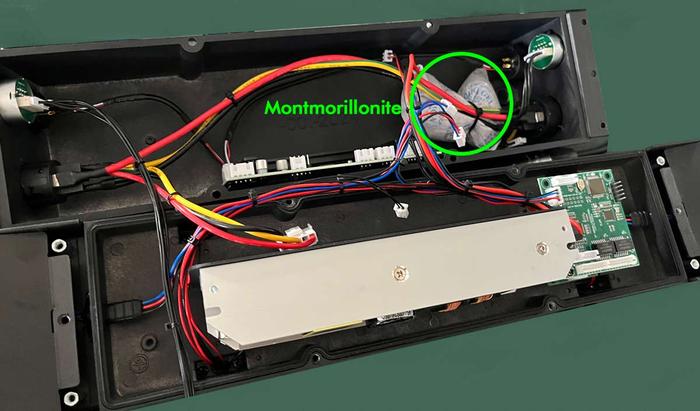
Even with perfect external waterproofing, temperature fluctuations can cause condensation inside the lamp (e.g., cold rain hitting a hot lamp housing), leading to internal moisture buildup. Adding desiccants solves this problem:
Desiccant Types: Use silica gel desiccants (reusable via heating, cost-effective for small stage lights like the Founder Z1215 Battery-Powered Wash Light) or montmorillonite desiccants (high adsorption capacity, low cost—ideal for large fixtures like the TP-5000CC Video Bar Light).
Placement Tips: Enclose desiccants in breathable non-woven bags and place them near moisture-prone areas: circuit boards, lamp holders, and lampshades. Avoid direct contact with electrical components to prevent short circuits.
Replacement Schedule: Check desiccants every 3-6 months (or after heavy rain); replace silica gel desiccants when they turn pink (indicating saturation) and montmorillonite desiccants when they harden.
Desiccants maintain a dry internal environment, protecting sensitive electronics from moisture damage.
Relevant Product :
5. Optimized Housing Design: Prevent Infiltration at the Source
A stage light's housing design is the foundation of its waterproof performance. Key optimizations include:
Drainage Systems: Add hidden drainage holes at the bottom of the housing and near heat dissipation ports - even if small amounts of water seep in, they can drain quickly without accumulating.
Waterproof Interfaces: Use IP-rated connectors (e.g., PowerCON, True-one, or waterproof 3Pin/5Pin DMX XLR connectors) for power and signal inputs/outputs. Add dust-proof/waterproof caps for unused ports (seen in the Golden Par 1815 and TP-5000CC).
Durable Materials: Choose corrosion-resistant, waterproof materials like die-cast aluminum (used in the Stormy 8000CC and Golden Par 1815) or high-temperature-resistant engineering plastic (used in the TB-420 Beam IP66). For extreme environments, composite carbon fiber (e.g., TB-420 Beam IP66) offers both light weight and superior water resistance.
Conclusion
By combining these 5 core waterproofing methods - professional rain testing, vacuum pressure testing, high-quality gaskets, internal desiccants, and optimized housing design - you can fully protect outdoor stage lights from water infiltration. This not only ensures stable performance for concerts, festivals, and outdoor events but also extends the product’s service life, reducing maintenance costs.
For more details on waterproof stage lights (such as technical specifications, customization options, or bulk pricing), please feel free to contact us - our team of experts is ready to assist you.

Power System Lighting Control | Follow us info@jobetlight.com Tel: +86-13928782326/18613056900 Whatsapp: +852 6582 6549 Wechat: +86-13928782326/18613056900
|


